Rainwater Projects with Recycled Materials in the Garden

Rainwater Projects with Recycled Materials in the Garden
Rainwater is a free and often overlooked resource for Canadian gardeners. With growing awareness of sustainability and the effects of climate change, it makes sense to make better use of the water that falls from the sky. By combining rainwater harvesting with recycled materials, you can create practical, beautiful, and eco-friendly solutions for your garden. Here’s how to get started.
Why Work with Rainwater?
In many Canadian cities, heavy rainfall can overwhelm stormwater systems, leading to flooding and runoff pollution. By collecting and using rainwater in your garden, you can help reduce pressure on municipal systems, conserve treated drinking water, and provide your plants with a natural, soft water source.
Rainwater is free of chlorine and minerals, making it ideal for watering flowers, vegetable beds, and container plants. You can also use it for cleaning garden tools, washing your car, or simply as a decorative feature in your outdoor space.
Recycled Materials – Practical and Aesthetic
Using recycled materials gives your projects character while reducing waste and the need for new resources. Many items that might otherwise end up in the landfill can be repurposed for rainwater projects.
- Old barrels or containers can be turned into rain barrels. A reclaimed wooden wine or whisky barrel adds rustic charm, while a used plastic drum can be painted or hidden behind shrubs.
- Bricks, pavers, and roof tiles can be reused to build small rain gardens or channels that direct water away from your home’s foundation.
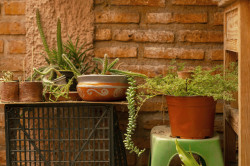
- Wood pallets or crates can become raised planters that also help filter and retain rainwater.
- Metal pipes or gutters salvaged from renovation projects can be reused as downspouts or decorative water features.
With a bit of creativity, you can design solutions that are both functional and uniquely personal.
Rain Gardens – Nature’s Own Filter
A rain garden is a shallow, planted area designed to capture runoff from roofs or paved surfaces. The water slowly soaks into the ground, while plants help filter pollutants and provide habitat for wildlife. It’s a simple and beautiful way to manage rainwater naturally.
You can edge your rain garden with reclaimed materials such as old bricks, stones, or logs. Fill the base with gravel and sand for drainage, and choose hardy native plants that thrive in moist conditions—such as blue flag iris, sedges, joe-pye weed, or swamp milkweed. These species are well-suited to Canadian climates and support pollinators.
Rain gardens require little maintenance once established and quickly become a lively ecosystem for birds and insects.
Læs også:

Rain Barrels – Easy Collection at the Downspout
The classic rain barrel remains one of the easiest and most effective ways to collect rainwater. You can connect it directly to your home’s downspout using a simple diverter that stops the flow when the barrel is full.
Look for used barrels through local recycling centres, farms, or online marketplaces. Make sure they are clean and safe for water storage. A wooden barrel offers a natural look, while a repurposed plastic container can be customized with paint or decorative panels. To prevent mosquitoes and debris, cover the opening with a fine mesh or lid.
Water in Motion – Small Streams and Reflecting Pools
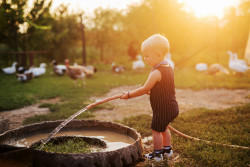
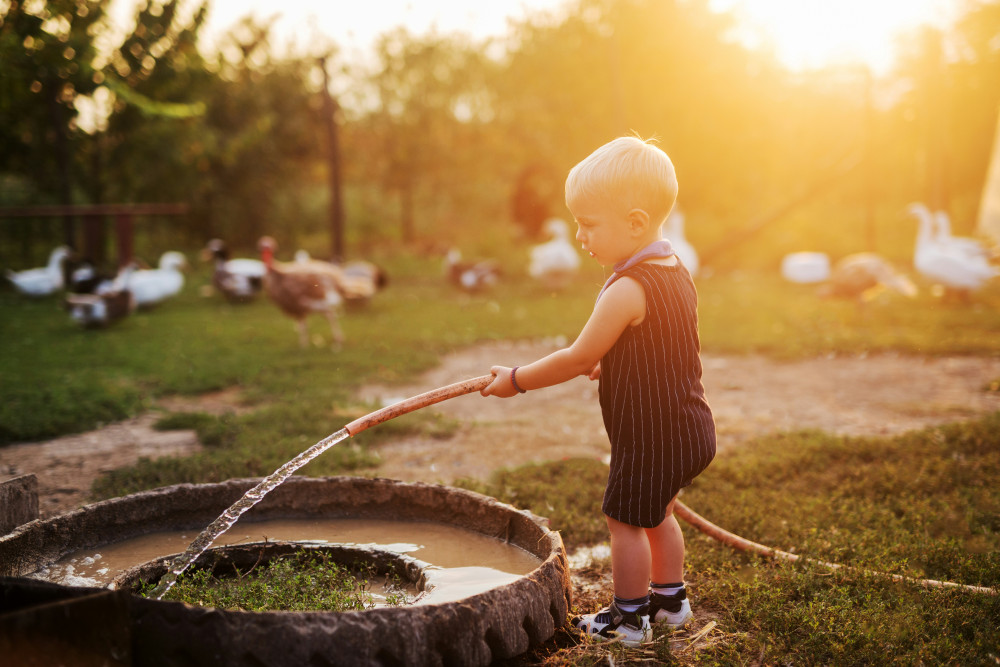
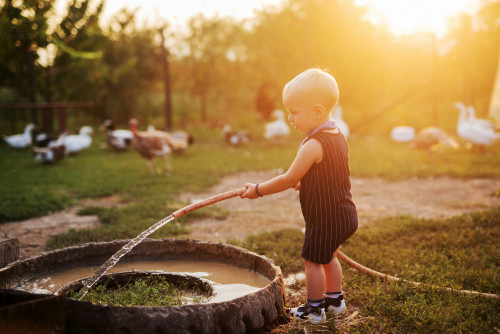
A small stream or reflecting pool can bring calm and life to your garden. Reuse old tiles, stones, or concrete pieces to shape the edges and base. An old galvanized tub or bathtub can become a charming pond where rainwater collects and slowly evaporates.
Add a small solar-powered pump to create gentle circulation—no electricity required. The sound and movement of water attract birds and beneficial insects while adding a peaceful atmosphere to your outdoor space.
Make It a Community Effort
Rainwater projects don’t have to be large or expensive. Many people start with a single barrel and expand over time. It can also be a fun family project that teaches children about the water cycle and sustainability.
Share ideas and materials with neighbours—someone might have an extra barrel, leftover bricks, or spare plants. By collaborating, you not only save resources but also strengthen community connections.
Small Steps, Big Impact
Working with rainwater in your garden is about more than just saving water—it’s about rethinking how we interact with nature. Every litre you collect or allow to soak into the ground makes a difference. At the same time, you’ll create a greener, more resilient garden that thrives with the rhythms of the environment.
With a bit of creativity and a focus on reuse, you can design garden features that are beautiful, sustainable, and cost-effective—turning your backyard into a small but meaningful part of the solution to future climate challenges.
Læs også: