When Is a Building Facade Too Damaged to Be Cleaned?

When Is a Building Facade Too Damaged to Be Cleaned?
A clean facade can transform the look of a building, but not every surface should be cleaned. If the exterior is too damaged, cleaning can actually make things worse. Before reaching for a pressure washer or chemical cleaner, it’s important to assess the condition of the facade. In this article, we’ll look at when a building’s exterior is too deteriorated to be cleaned—and what you can do instead to preserve it.
Why Clean a Facade?
Over time, Canadian buildings face a mix of challenges: pollution, algae, mildew, road salt, and harsh weather. Cleaning can restore a building’s appearance and help prevent further damage, since dirt and moisture can accelerate decay. However, cleaning is a forceful process, and if the surface is already weakened, it can cause more harm than good.
Signs the Facade Is Too Damaged
Before deciding to clean, inspect the exterior carefully. Here are some clear signs that cleaning might not be safe:
- Cracked or crumbling stucco – if the surface is flaking or powdery, cleaning will only remove more material.
- Loose or missing mortar joints – water from cleaning can seep in and worsen deterioration, especially during freeze-thaw cycles.
- Efflorescence (white salt deposits) – this indicates moisture problems inside the wall; cleaning can make it worse.
- Spalled or cracked bricks – bricks that have flaked or split due to frost damage should be replaced, not cleaned.
- Peeling paint or coatings – cleaning can strip away protective layers and expose the wall to further weathering.
If you notice several of these issues, it’s a strong sign that the facade needs repair before any cleaning is attempted.
Different Facade Materials Require Different Care
Not all building materials respond the same way to cleaning:
- Brick can usually handle gentle cleaning, but high-pressure washing or sandblasting can permanently damage the surface.
- Stucco is delicate and easily eroded, especially if it’s old or cracked.
- Concrete can often be cleaned effectively, but the wrong chemicals can cause staining or surface etching.
- Stone—such as limestone or sandstone—requires specialized cleaning methods to avoid pitting or discoloration.
Choosing the right method for the material is essential. When in doubt, consult a professional who understands local building materials and climate conditions.
When to Avoid Cleaning Altogether
There are situations where cleaning simply isn’t advisable:
- The facade has extensive moisture damage or mold growth.
- The building is historic, with soft or handmade bricks.
- There’s a risk that water could penetrate behind paint, stucco, or siding.
- The structure has already been repaired multiple times and is fragile.
In these cases, cleaning can strip away protective layers and leave the building more vulnerable to frost, moisture, and further decay. Repair and protection should take priority over cosmetic cleaning.
Alternatives to Cleaning
If the facade is too damaged to be cleaned, there are other ways to restore its appearance and integrity:
- Repointing and brick replacement – renewing mortar joints and replacing damaged bricks can dramatically improve the look and stability.
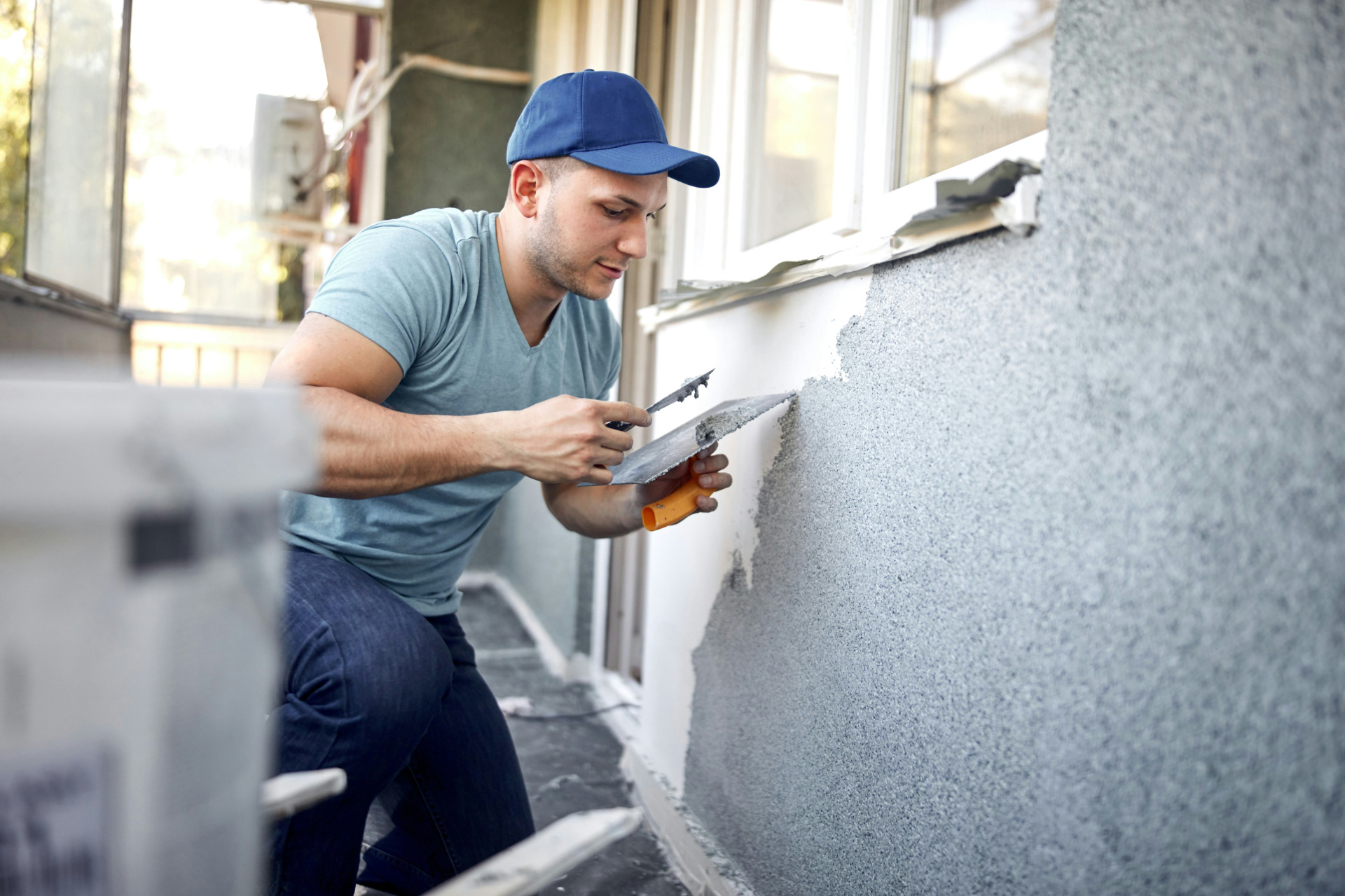
- New stucco or parging – applying a fresh surface layer can hide imperfections and protect against the elements.
- Painting or mineral coatings – breathable coatings can refresh the appearance while allowing moisture to escape.
- Protective sealants – in some cases, applying a water-repellent treatment can help prevent further damage.
These options may require more effort than cleaning, but they extend the life of the facade and provide a more durable result.
Get a Professional Assessment
It’s not always easy to tell where the line is between a facade that can be cleaned and one that needs repair. A qualified mason, restoration specialist, or facade cleaning expert can identify structural issues and recommend the safest approach. This professional evaluation can save you time, money, and the risk of worsening the damage.
A Healthy Facade Requires Careful Judgment
A beautiful facade isn’t just about appearance—it’s about protecting the building itself. Cleaning can be an effective way to refresh a property, but only if the surface is sound. When damage is present, focus on repair and preservation instead of aggressive cleaning. The result will be a stronger, longer-lasting building that stands up to Canada’s demanding climate for years to come.