Moisture Problems from Improper Insulation – How to Prevent Them in Your Home

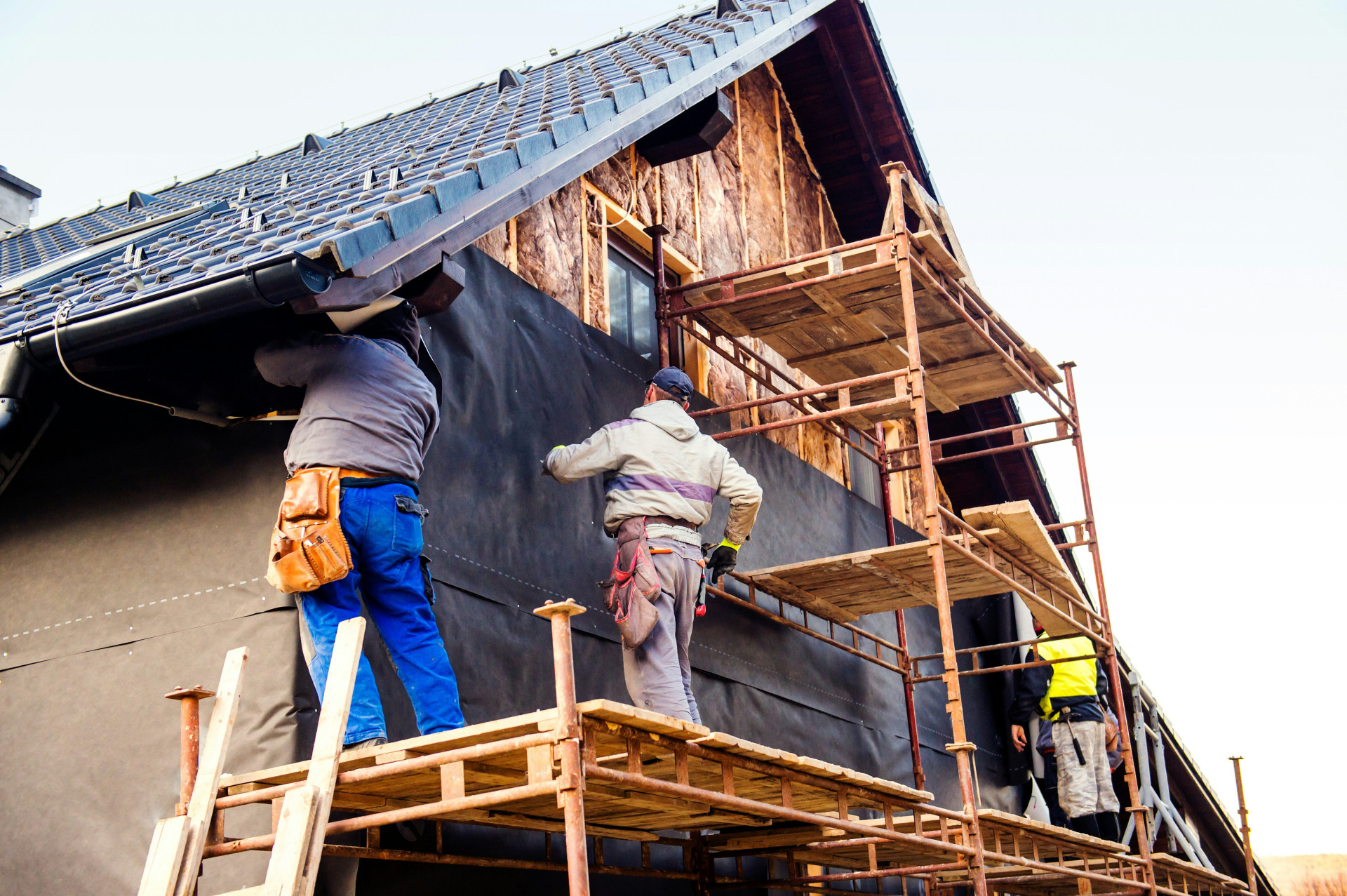
Moisture Problems from Improper Insulation – How to Prevent Them in Your Home
Insulation is one of the most effective ways to make your home more energy-efficient and comfortable. It keeps the heat inside during Canada’s long winters and helps maintain a cool indoor climate in summer. But if insulation is installed incorrectly, it can lead to serious moisture problems. Moisture trapped inside walls or ceilings can cause mold, rot, and structural damage. Here’s how to prevent these issues and keep your home healthy and dry.
Why Moisture Problems Occur
Moisture problems arise when warm, humid indoor air meets cold surfaces within the building envelope. If insulation or vapour barriers are not properly installed, condensation can form inside walls, attics, or floors. Over time, this moisture can damage materials and create ideal conditions for mold growth.
The most common causes of moisture problems include:
- Missing or poorly sealed vapour barrier – allows moist indoor air to penetrate the insulation and condense.
- Incorrect insulation placement – especially in older homes not designed for modern insulation methods.
- Inadequate ventilation – when a home becomes more airtight after upgrades but lacks proper air exchange.
- Thermal bridges – areas where heat escapes and cold enters, such as around windows, doors, and framing joints.
Know Your Home’s Construction
Before adding or upgrading insulation, it’s important to understand how your home is built. A 1950s bungalow in Ontario, for example, has very different wall assemblies than a newer home in Alberta. Older houses often rely on materials that allow moisture to move through the structure. If you seal them too tightly, you can trap moisture where it doesn’t belong.
Consider getting a home energy assessment or consulting a building science professional. They can identify where insulation improvements will be most effective and how to avoid moisture-related risks.
The Vapour Barrier – Your Hidden Protector
A properly installed vapour barrier is essential in Canada’s cold climate. It should be placed on the warm side of the insulation—usually just behind the drywall—to prevent indoor moisture from reaching colder layers of the wall. Every seam, joint, and penetration must be carefully sealed.
Even small gaps can cause big problems, as warm air naturally moves toward colder areas. Always use approved materials and follow manufacturer instructions. If you’re unsure, hire a qualified contractor experienced in vapour barrier installation.
Ventilation – The Overlooked Factor
When you improve insulation, your home becomes tighter, which is great for energy efficiency but can trap humidity indoors. Everyday activities like cooking, showering, and even breathing release moisture into the air. Without proper ventilation, that moisture has nowhere to go.
To maintain a healthy indoor environment:
- Install exhaust fans in kitchens and bathrooms that vent to the outside.
- Consider a heat recovery ventilator (HRV) or energy recovery ventilator (ERV) to bring in fresh air without losing heat.
- Open windows briefly each day to let moist air escape, especially during mild weather.
Good ventilation not only prevents moisture buildup but also improves indoor air quality and comfort.
Retrofitting Older Homes – Proceed with Care
Adding insulation to older homes can be a smart investment, but it requires careful planning. For example, filling the wall cavities of a brick or stone house that was originally designed to “breathe” can trap moisture and cause frost damage or mold.
Before retrofitting, make sure to:
- Check for existing moisture or leaks in walls and attics.
- Choose insulation materials compatible with your home’s structure.
- Maintain the ability for moisture to move outward—use vapour-permeable materials where appropriate.
More insulation isn’t always better. The goal is to balance energy efficiency with proper moisture control.
Signs of Moisture Problems – and What to Do
Even with good planning, issues can still occur. Watch for these warning signs:
- Dark stains or discoloration on walls or ceilings.
- Musty odours or visible mold.
- Peeling paint or wallpaper.
- Condensation on windows or cold surfaces.
If you notice any of these, act quickly. Identify and fix the source—such as leaks, poor ventilation, or vapour barrier gaps—and consult a professional if needed. Early intervention can prevent costly repairs.
How to Prevent Moisture Problems in the Future
Preventing moisture issues is about taking a whole-home approach. Insulation, ventilation, and material choices must work together. Here are the key steps:
- Plan insulation upgrades based on your home’s age and construction.
- Ensure a continuous, properly placed vapour barrier.
- Adjust ventilation to match your home’s airtightness.
- Use materials suited to your local climate and building type.
- Seek professional advice when in doubt.
With the right approach, you can enjoy a warm, energy-efficient home that stays dry and healthy through every Canadian season.