Is the Foundation Insulated Enough? How to Assess It

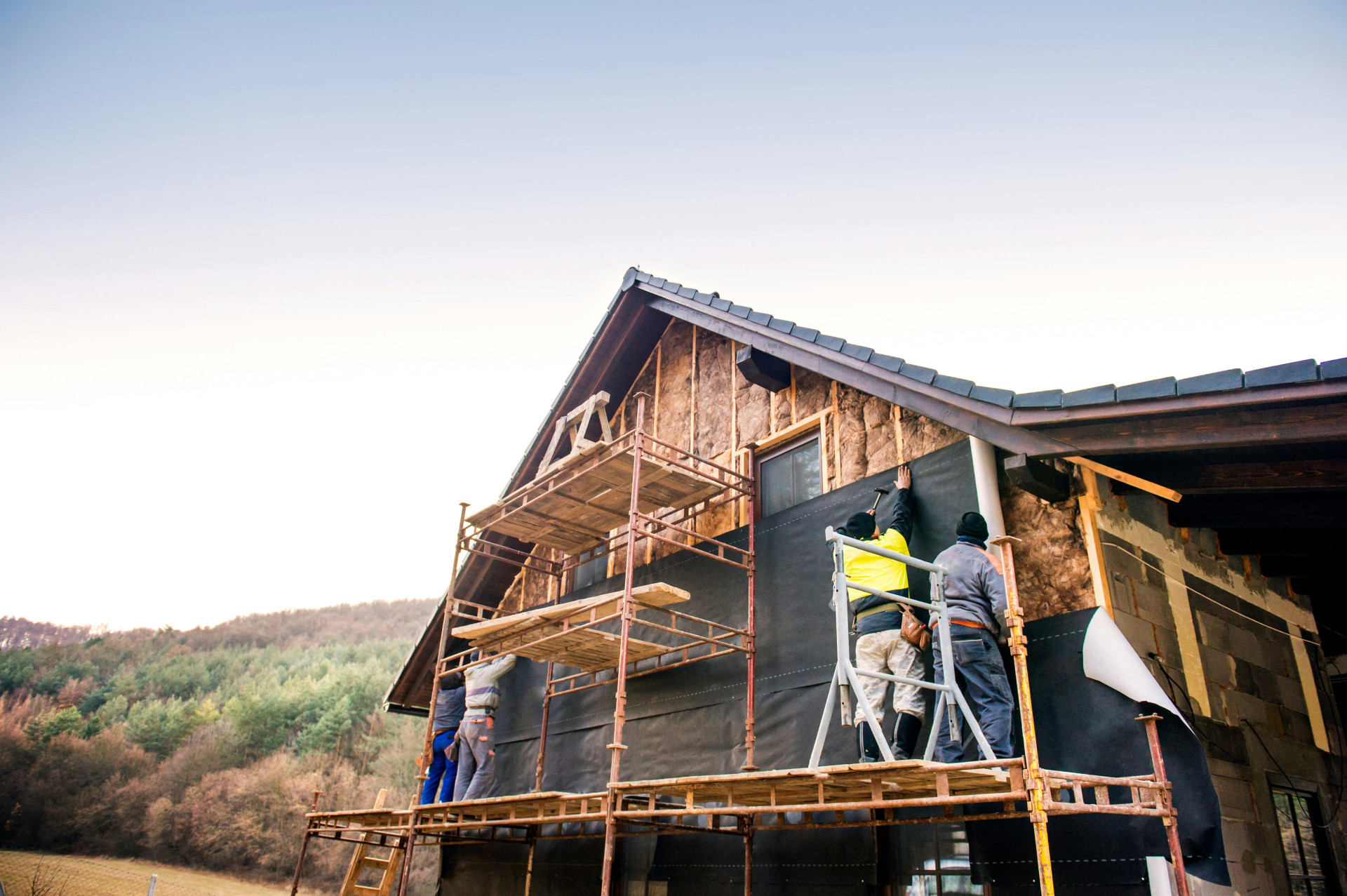
Is the Foundation Insulated Enough? How to Assess It
The foundation—the transition between your home’s footing and exterior wall—plays a crucial role in both comfort and energy efficiency. If it isn’t properly insulated, cold air can seep in from below, and moisture can travel upward into the walls. The result may be chilly floors, higher heating bills, and even structural damage over time. But how can you tell if your foundation is insulated well enough? Here’s a practical guide for Canadian homeowners to assess the situation and decide whether improvements are worthwhile.
Why Foundation Insulation Matters
The foundation connects your home to the ground and must resist both cold and moisture. Proper insulation reduces heat loss through the floor and lower wall areas and prevents thermal bridging—spots where heat escapes and cold enters.
In older Canadian homes, especially those built before the 1980s, foundation insulation was often minimal or nonexistent. Newer homes, however, are built to meet energy efficiency standards set by the National Building Code of Canada and provincial regulations. These typically require rigid insulation boards—such as extruded polystyrene (XPS) or mineral wool—designed to withstand moisture and soil pressure.
Signs Your Foundation May Not Be Well Insulated
Watch for these common indicators:
- Cold floors – especially near exterior walls or basement edges.
- Drafts or cold spots – feel along baseboards and corners for temperature differences.
- Moisture or dark patches – may indicate condensation where warm indoor air meets a cold surface.
- Rising heating costs – a sign that heat is escaping through the foundation.
- Mold or mildew – often appears where cold and damp conditions persist, such as behind furniture near exterior walls.
If you notice several of these symptoms, it’s worth investigating your foundation’s insulation more closely.
How to Assess the Insulation
You can get a good sense of your foundation’s condition in several ways:
- Check the home’s age and building records – municipal archives or your home inspection report may reveal whether foundation insulation was included during construction.
- Inspect the exterior – look for cracks, flaking, or damp spots on the foundation wall. These can indicate water infiltration or missing insulation.
- Measure surface temperatures – use an infrared thermometer to compare the foundation’s temperature with that of the wall above. A noticeable drop suggests heat loss.
- Get a thermal imaging scan – a certified energy advisor can use a thermal camera to pinpoint exactly where cold air is entering.
- Request an EnerGuide home evaluation – this federal program provides a detailed energy assessment and recommendations for upgrades.
Options for Improving Foundation Insulation
If your foundation is poorly insulated, several retrofit options are available, depending on your home’s design and soil conditions:
- Exterior insulation – the most effective method, involving excavation around the foundation and installation of rigid insulation boards on the outside. This approach also protects against moisture and frost.
- Interior insulation – suitable when exterior work isn’t feasible, such as in tight urban lots. It requires careful moisture control to prevent condensation behind the insulation.
- Slab or basement floor insulation – if you’re renovating or finishing a basement, adding insulation beneath or over the slab can significantly reduce heat loss.
Always choose materials rated for below-grade use and ensure proper drainage and waterproofing to keep moisture away from the foundation.
When Is It Worth the Investment?
Upgrading foundation insulation can lower heating costs, improve comfort, and protect your home from moisture damage. The financial return depends on your home’s age, energy use, and the scope of work required. In many cases, it’s most cost-effective to combine foundation insulation with other energy upgrades—such as window replacement or wall insulation.
An energy advisor can help you estimate potential savings and determine whether the project makes sense for your budget and climate zone.
A Warmer, Healthier, and More Efficient Home
A well-insulated foundation doesn’t just make your home cozier—it also helps prevent moisture problems and structural deterioration. By assessing your foundation’s condition and addressing any weaknesses early, you can ensure a more comfortable, durable, and energy-efficient home for years to come.