Durability or Aesthetics? How to Choose the Right Flooring for Your Home

Durability or Aesthetics? How to Choose the Right Flooring for Your Home
Your floor is one of the largest surfaces in your home – it sets the tone for your interior style and must also withstand daily wear and tear. But how do you strike the right balance between beauty and practicality? Here’s a guide to help Canadian homeowners choose the right flooring, whether you prioritize design, durability, or both.
Start by Considering How the Room Is Used
The first step is to think about how each room functions. A kitchen or entryway needs a tougher surface than a bedroom, where foot traffic is lighter.
- Entryway and kitchen: These areas see a lot of activity, dirt, and moisture. Choose a material that’s easy to clean and resistant to water and scratches – such as tile, vinyl, or laminate.
- Living room and bedrooms: Here, comfort and appearance often take priority. Hardwood, cork, or engineered wood can add warmth and character.
- Bathroom: This space requires a waterproof surface, typically ceramic or porcelain tile, or luxury vinyl that can handle humidity and frequent cleaning.
Once you understand the demands of each space, it becomes easier to find a flooring material that fits both your lifestyle and your design vision.
Hardwood – A Classic with Natural Warmth
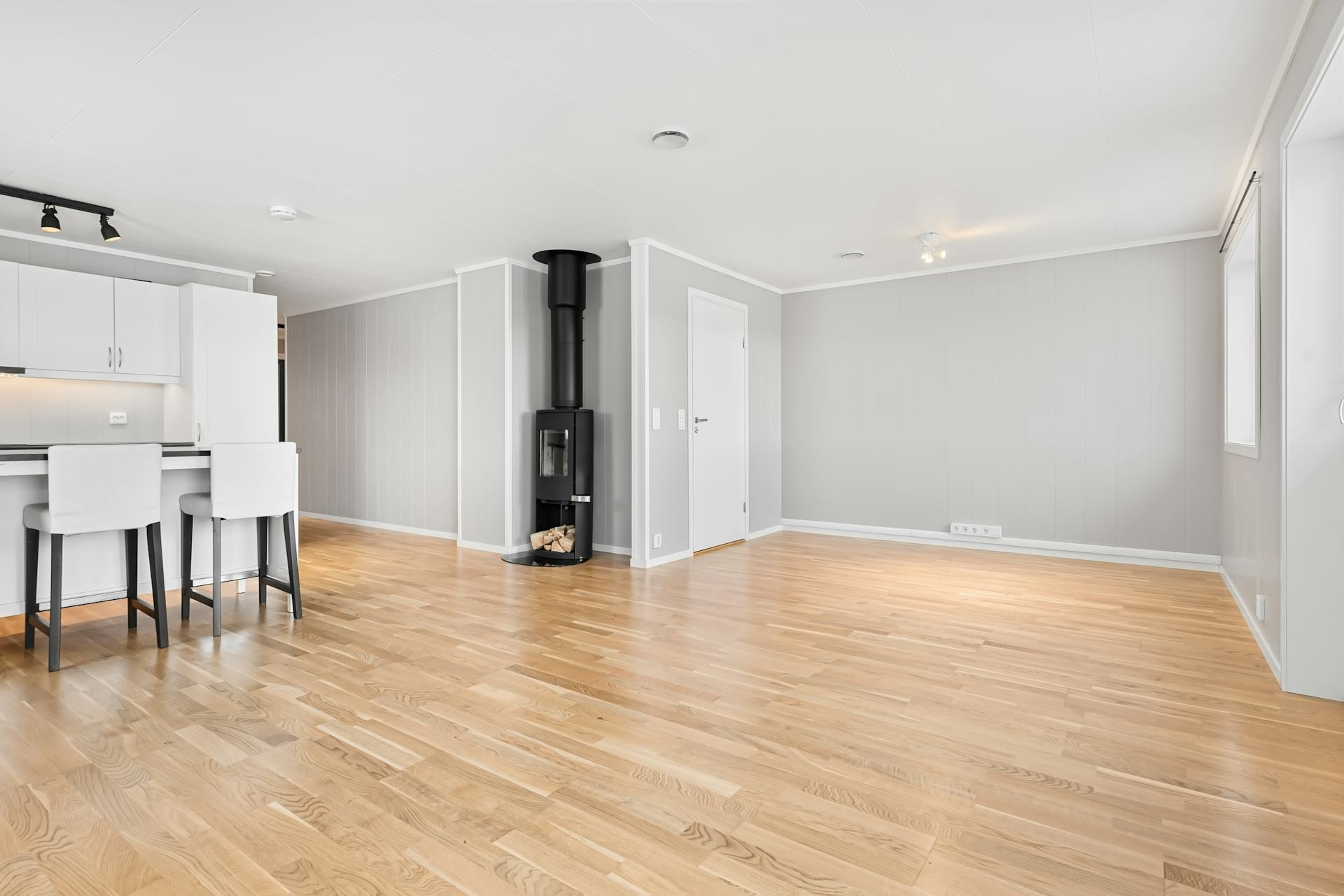
Hardwood floors remain a favourite in Canadian homes for their timeless look and inviting feel. From pale maple and birch to rich oak and walnut, there’s a species and finish for every style.
- Solid hardwood offers a premium look and can be refinished multiple times, but it’s sensitive to moisture and temperature changes.
- Engineered hardwood is more stable and budget-friendly, made from multiple layers that resist warping – ideal for homes with fluctuating humidity.
Hardwood works best in dry areas. To protect it, consider a matte lacquer or oil finish that preserves the natural texture while adding durability.
Laminate and Vinyl – Practical Choices with Endless Options
If you want a durable floor that mimics the look of wood, stone, or concrete, laminate and vinyl are excellent alternatives.
- Laminate flooring features a tough surface layer with a printed design that can replicate almost any material. It’s scratch-resistant and easy to maintain.
- Vinyl flooring is softer underfoot and more sound-absorbing, making it comfortable and quiet. Available in planks, tiles, or sheets, many modern vinyl options are waterproof and ideal for busy households.
Both materials require minimal upkeep and are great for families with kids or pets.
Tile and Natural Stone – Exceptional Durability
Tile and natural stone are among the most hard-wearing flooring options. They handle water, heat, and heavy use with ease, making them perfect for kitchens, bathrooms, and entryways.
Ceramic and porcelain tiles come in countless colours, sizes, and finishes – from rustic terracotta to sleek, large-format designs. Natural stone, such as slate or marble, adds a luxurious touch but may need periodic sealing to maintain its appearance.
Tile floors can feel cool, but when paired with in-floor heating – a popular feature in many Canadian homes – they become both comfortable and energy-efficient.
Linoleum and Cork – Sustainable Comfort
For those seeking eco-friendly and comfortable flooring, linoleum and cork are worth considering. Both are made from natural, renewable materials and offer excellent acoustic properties.
- Linoleum is durable, antistatic, and available in a wide range of colours and patterns. It’s suitable for kitchens, hallways, and living spaces.
- Cork flooring is soft, warm, and sound-dampening – ideal for bedrooms, offices, or playrooms where comfort matters most.
These materials are best kept away from high-moisture areas, but they contribute to a healthy indoor environment and a natural aesthetic.
Think About Maintenance and the Overall Look
Choosing flooring isn’t just about looks or toughness – it’s also about how much maintenance you’re willing to do. An oiled hardwood floor needs regular care, while laminate and vinyl are nearly maintenance-free.
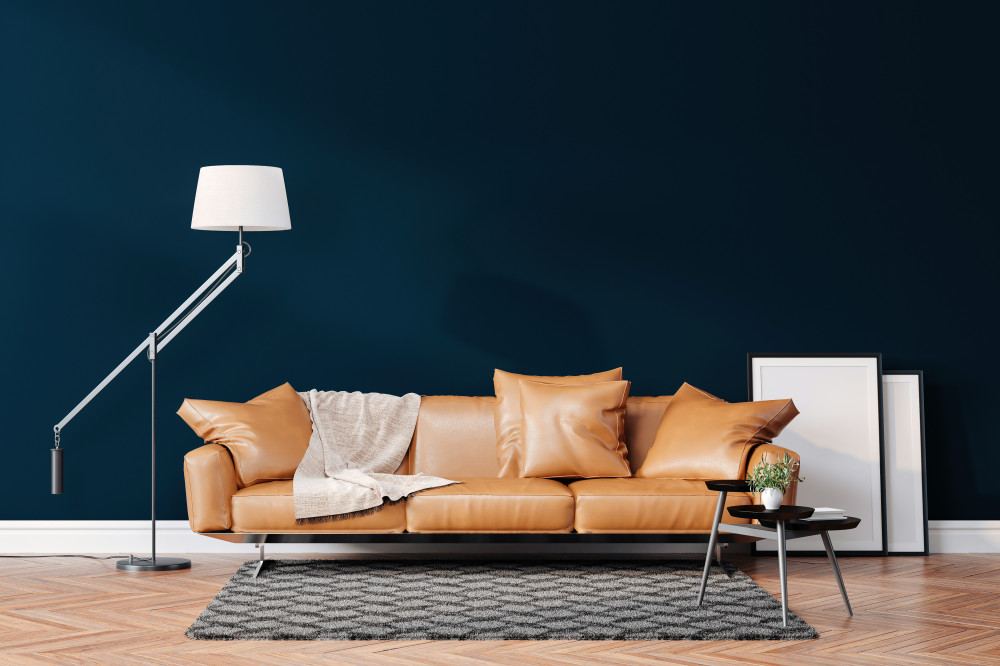
Also consider how the floor complements your walls, furniture, and lighting. Light floors can make a room feel larger and brighter, while darker tones add coziness and depth.
The Best Floor Is the One That Fits Your Life
There’s no single “right” choice – it depends on your home, your daily routine, and your personal taste. Some homeowners mix materials, opting for hardwood in the living room and vinyl in the kitchen. Others prefer one consistent surface throughout for a seamless look.
The key is to choose a floor that pleases the eye, feels good underfoot, and stands up to the way you live – season after season, year after year.