Drainage and Water Balance – How to Avoid Damaging Your Garden

Drainage and Water Balance – How to Avoid Damaging Your Garden
A well-designed drainage system can make the difference between a thriving garden and a soggy, struggling one. But drainage isn’t just about getting rid of water – it’s about maintaining the right balance in the soil. Too much water can suffocate roots, while too little can dry them out and harm the garden’s ecosystem. Here’s a guide to understanding, maintaining, and improving your garden’s drainage – without harming the environment around it.
Why Drainage Matters in Canadian Gardens
Across Canada, weather conditions vary widely – from heavy spring melts in the Prairies to frequent rain on the West Coast and clay-heavy soils in parts of Ontario and Quebec. Poor drainage can lead to:
- Root damage – plants can’t breathe when soil stays waterlogged.
- Moss and algae growth – damp areas encourage moss and discourage healthy grass.
- Frost heave – trapped water expands when it freezes, damaging roots, patios, and pathways.
- Basement leaks – excess surface water can seep into foundations and cause costly damage.
A good drainage system helps move excess water away from problem areas – but it should do so carefully, preserving the moisture your plants need.
Finding the Right Water Balance
Over-draining is a common mistake. When soil becomes too dry, it loses its natural structure and beneficial microorganisms die off. This can lead to poor plant growth and increased watering needs.
The goal is balance: soil should absorb rainfall but also release it gradually. A good drainage system doesn’t remove all water – it simply prevents excess from lingering.
A few key points to remember:
- Don’t install drains just because water pools briefly after a heavy rain – that can be normal.
- Consider your soil type: sandy soils drain quickly, while clay soils hold water longer.
- Combine drainage with water-retaining features like rain gardens or soakaway pits to keep water in your yard – just in the right places.
How to Tell if Your Garden Needs Better Drainage
Before you start digging, check whether drainage is truly a problem. You can test it in a few simple ways:
- Dig a hole about 50 cm deep and fill it with water. If it’s still full after 24 hours, your soil drains poorly.
- Observe after rainfall – if puddles remain for more than two days, you may need to improve drainage.
- Inspect your foundation – damp walls or musty smells in the basement can indicate poor surface drainage.
If you’re unsure, it’s worth consulting a landscape professional. Poorly installed drainage can sometimes make problems worse.
Types of Drainage Systems
Different soils and landscapes call for different solutions:
- Subsurface (pipe) drainage – perforated pipes buried underground carry excess water to a sump or storm drain.
- Surface drainage – shallow channels or swales collect runoff from patios and lawns.
- Rain gardens – shallow, planted depressions that capture rainwater and let it soak into the ground naturally.
- Soakaway pits or infiltration trenches – underground gravel-filled areas that store and slowly release water.
Rain gardens and soakaway systems are especially useful for homeowners who want to manage water sustainably while preventing flooding.
Maintaining Your Drainage System
Even the best system needs upkeep. Over time, soil, roots, and debris can clog pipes or block outlets.
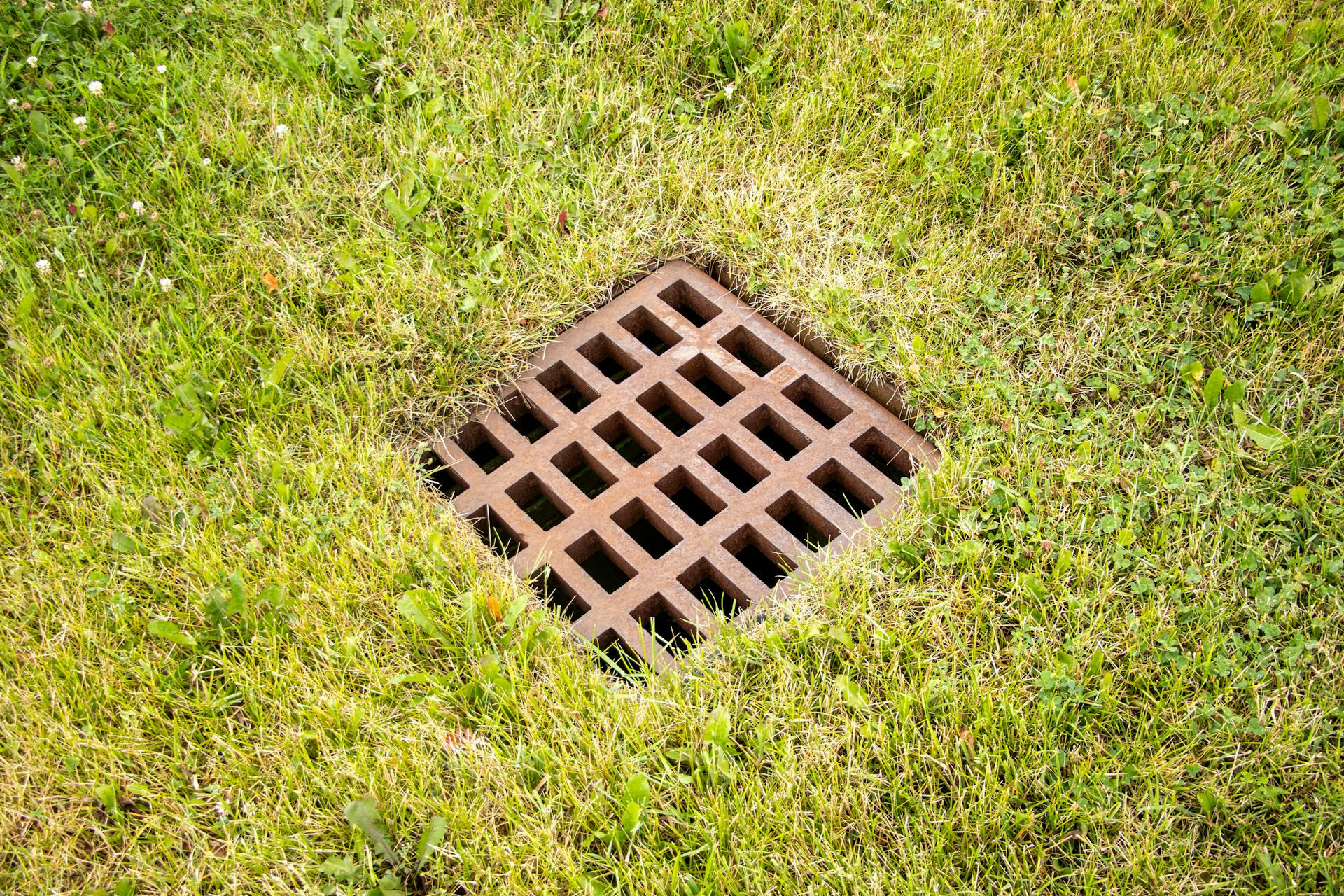
- Clean catch basins and filters at least once a year.
- Check that water flows freely from outlets after heavy rain.
- Avoid planting trees with aggressive roots near drain lines.
- If drainage slows down, you may need to flush pipes or replace damaged sections.
Regular maintenance keeps your system efficient and prevents costly repairs later.
Environmental and Regulatory Considerations
Changing how water flows on your property can affect your surroundings. In many Canadian municipalities, you may need a permit to connect drainage systems to storm sewers or natural waterways.
Think of rainwater as a resource, not waste. By combining drainage with green infrastructure – such as permeable paving, rain barrels, and native plantings – you can create a garden that’s both functional and environmentally friendly.
A Healthy Garden Starts Below the Surface
Good drainage isn’t just about avoiding puddles – it’s about creating the best conditions for life in your garden. When soil has the right moisture balance, plants, insects, and microorganisms all thrive. That makes your garden more resilient to both drought and downpours.
Before you pick up a shovel, take a step back and look at the bigger picture: Where does the water come from, where should it go, and how can you make the most of it? The best solution is rarely to remove all the water – but to help your garden work with it.