Combine Insulation with Other Renovation Projects and Save Time

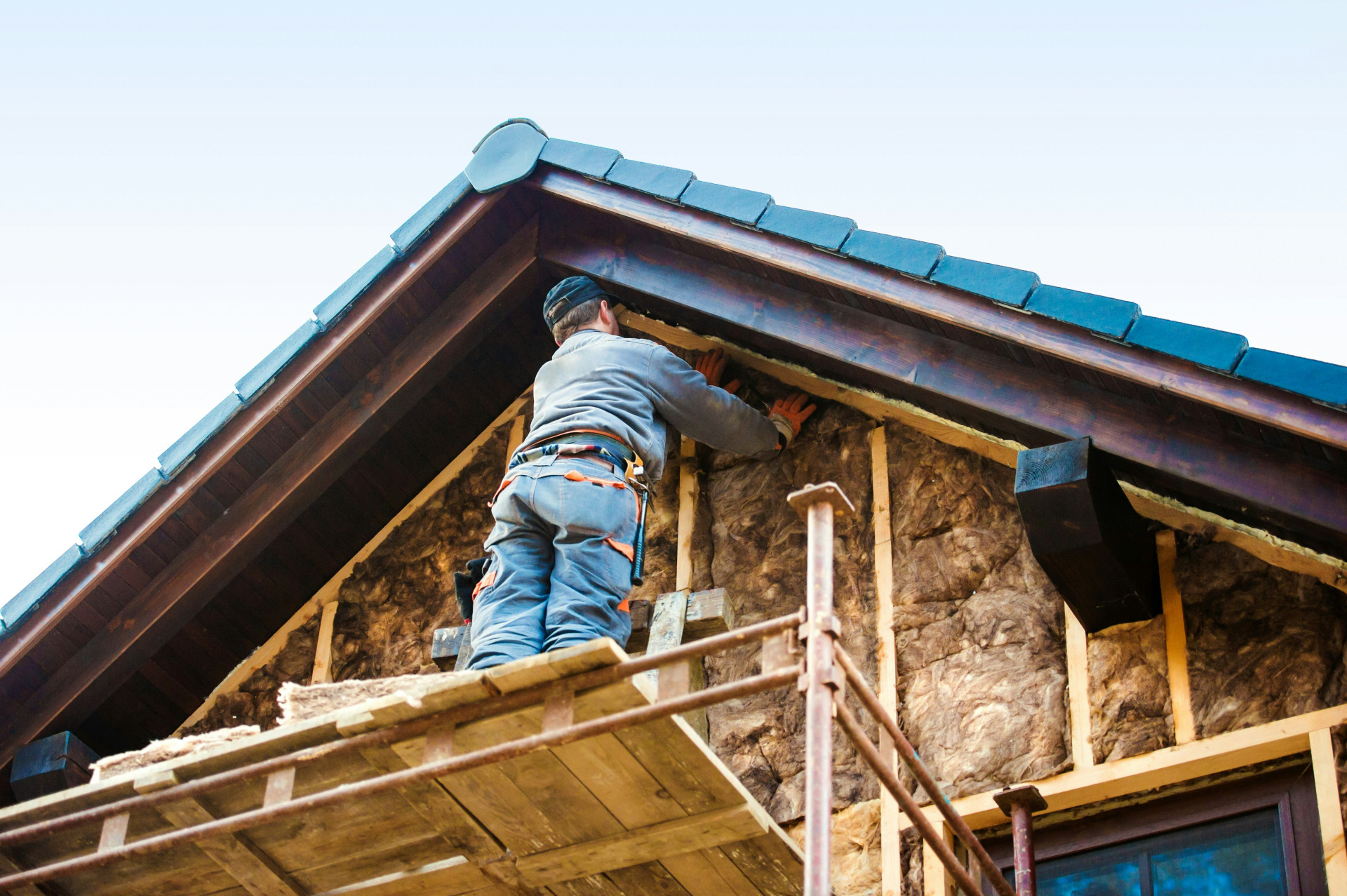
Combine Insulation with Other Renovation Projects and Save Time
When you plan to insulate your home, it pays to think big. Many renovation projects are closely connected, and by combining them, you can save time, money, and avoid unnecessary rework. Especially for major upgrades like replacing the roof, updating windows, or improving exterior walls, it makes sense to include insulation from the start. Here’s a guide to help Canadian homeowners plan smart and get the most out of every renovation.
Think Insulation into the Big Projects
Insulation rarely stands alone as a project. It’s far more efficient to do it alongside other home improvements.
- New roof: If you’re replacing your roof, it’s the perfect time to add attic or roof insulation. You’ll save on labour and scaffolding costs, and you won’t have to open up the structure again later.
- Exterior upgrades: Planning to re-side or repaint your home? Consider adding exterior wall insulation at the same time. It improves both energy efficiency and curb appeal.
- Window and door replacement: Energy-efficient windows make a big difference, but their performance improves even more when the surrounding walls are well insulated.
- Basement or floor renovations: When upgrading your basement or floors, add insulation to reduce heat loss from below. It makes your home warmer and more comfortable year-round.
By coordinating these projects, you can make better use of contractors’ time and achieve a more cohesive result.
Planning: The Key to an Efficient Renovation
Good planning is essential when combining multiple projects. Start with a home energy assessment. In Canada, certified energy advisors can help identify where improvements will have the biggest impact and in what order they should be done.
Then, create a comprehensive plan that considers:
- Timeline: Which projects should come first?
- Access: Will scaffolding or demolition be required?
- Budget: What can you save by combining work?
- Materials: Make sure insulation materials and finishes are compatible.
A well-structured plan helps you coordinate trades efficiently and avoid delays.
Benefits of Combining Projects
Combining insulation with other renovations offers more than just financial savings:
- Less downtime: When contractors are already on-site, they can complete multiple tasks in one visit.
- Better overall results: A well-insulated, energy-efficient home feels more comfortable and performs better in all seasons.
- Fewer disruptions: Noise, dust, and construction mess are limited to one period instead of several.
- Long-term value: A properly insulated home with modern upgrades increases comfort, reduces energy bills, and boosts property value.
It may seem like a bigger investment upfront, but over time it pays off through lower heating costs and fewer future repairs.
Smart Project Combinations
Some projects naturally go hand in hand because they overlap technically and practically:
- Roof replacement + attic insulation
- Siding upgrade + exterior wall insulation
- Window replacement + wall insulation
- Basement renovation + foundation or floor insulation
By thinking in these combinations, you can make the most of your renovation budget and achieve a more energy-efficient home.
Get Professional Advice
While it can be tempting to tackle projects yourself, professional guidance is invaluable. An energy advisor, building engineer, or experienced contractor can help you prioritize improvements and ensure insulation is installed correctly. Mistakes can lead to moisture issues or reduced performance, so expert input is worth the investment.
Think Long-Term – Save Time and Energy
Combining insulation with other renovation projects isn’t just about saving money today. It’s about creating a home that’s comfortable, energy-efficient, and ready for the future. With a well-thought-out plan, you can make every dollar and every hour of work count—while reducing your environmental footprint.
So next time you plan a renovation, ask yourself: can insulation be part of this project? The answer is often yes—and it might be one of the smartest decisions you make for your home.