Bright Basement After Insulation – How to Choose the Right Colours and Finishes


Bright Basement After Insulation – How to Choose the Right Colours and Finishes
Once your basement has been properly insulated and moisture issues are under control, the next step is turning it into a bright, welcoming, and practical space. Basements often feel dark or enclosed, but with the right colours, materials, and finishes, you can transform them into comfortable living areas, home offices, or recreation rooms. Here’s how to choose colours and finishes that enhance light and create a fresh, inviting atmosphere.
Start with the Room’s Light Conditions
Basements in Canada often have limited natural light, especially during the long winter months. Begin by assessing how much daylight enters the space and how it changes throughout the day.
- Small windows or minimal daylight: Choose light, matte colours that reflect light without creating glare. Shades of white, off-white, or pale grey work well to brighten the space.
- Basements with larger windows or walkouts: You can introduce more colour—soft warm tones like sand, pale blue, or sage green add personality without making the room feel heavy.
Supplement natural light with layered artificial lighting. Recessed LED fixtures, wall sconces, and ceiling panels can create even illumination that mimics daylight and keeps the space feeling open.
Colours That Create a Sense of Space
Colour has a strong impact on how large and airy a room feels. In a basement, the goal is often to make the space appear bigger and more open.
- Light walls and ceilings make the room feel taller and more spacious.
- A subtle accent wall in a slightly deeper tone can add depth without darkening the space.
- Cool hues like soft blues, greys, and greens create a calm, refreshing atmosphere, while warm neutrals such as beige or cream add coziness.
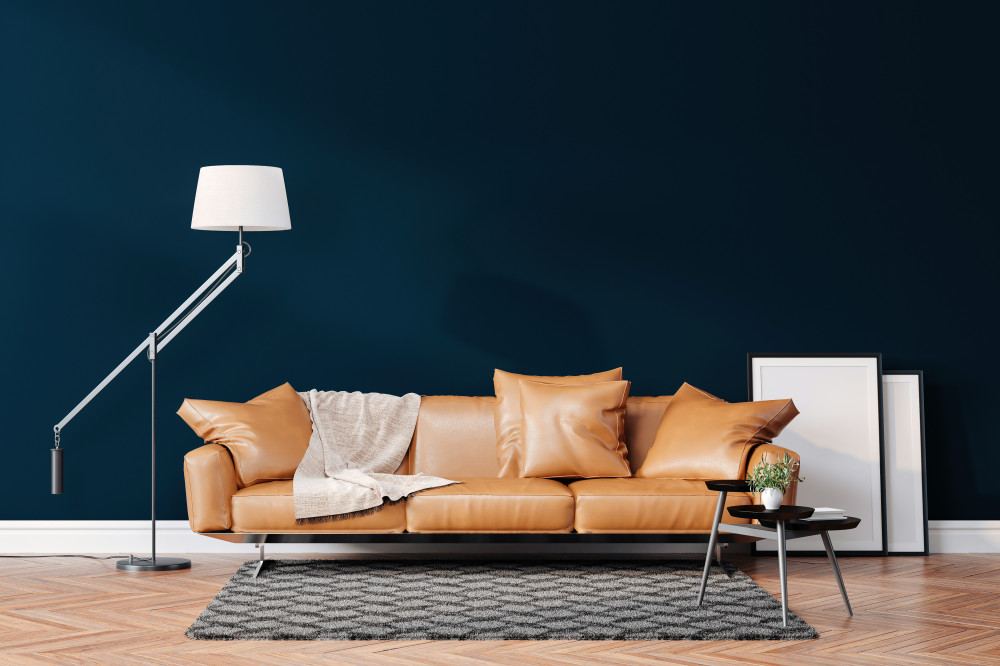
Avoid very dark colours on large surfaces—they can make the ceiling feel lower and the room more enclosed.
Choose Finishes That Suit the Basement Environment
Even after insulation, basements can experience temperature and humidity variations compared to the rest of the house. It’s important to select materials that can handle these conditions.
- Walls: Use breathable paints that allow moisture to escape. Mineral or silicate-based paints are good options, as they help prevent mould and dampness.
- Floors: Avoid wall-to-wall carpet directly on concrete. Instead, opt for vinyl planks, ceramic tiles, or laminate with a proper moisture barrier. For warmth, add area rugs on top.
- Ceilings: A smooth, white ceiling reflects light best. If the space will be used for entertainment or music, consider acoustic panels to improve sound quality.
Durable, washable surfaces make cleaning easier and help maintain a fresh, healthy environment.
Create Flow with the Rest of the Home
Your basement doesn’t have to feel like a separate zone. By repeating colours or materials from the upper floors, you can create a cohesive look throughout your home.
If your main living area features light wood accents or warm wall tones, echo those elements in the basement—perhaps in a lighter shade. This continuity makes the basement feel like a natural extension of your living space.
Use Lighting as a Design Element
Lighting is key in any basement—not just for function, but for mood. Combine different types of lighting to achieve balance and flexibility:
- General lighting: Recessed or flush-mount fixtures that provide even illumination.
- Task lighting: Desk lamps, under-cabinet lights, or focused fixtures for work or hobby areas.
- Accent lighting: Wall sconces, LED strips, or floor lamps to add warmth and visual interest.
Choose bulbs with a colour temperature around 3000–4000 kelvin for a natural, comfortable glow that complements most paint colours.
The Finishing Touch – Textiles and Details
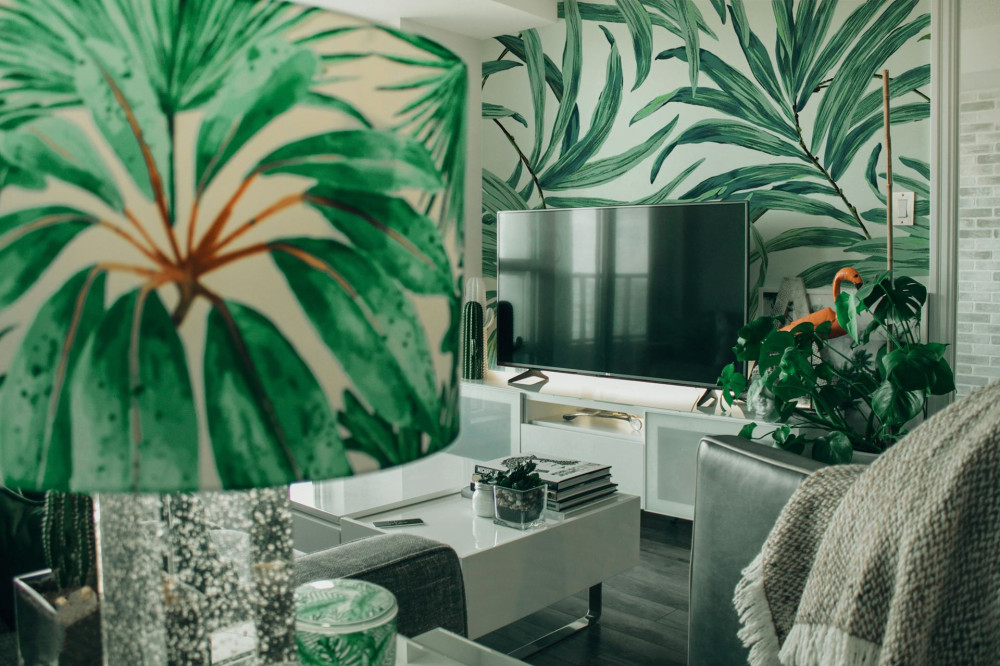
Small details can make a big difference. Curtains, cushions, and plants bring softness and life to the space. Choose light, natural fabrics like cotton or linen, and use mirrors strategically to reflect light and create a sense of openness.
A few hardy indoor plants—such as ferns, snake plants, or pothos—can thrive in moderate light and help improve indoor air quality.
From Dark Basement to Bright Living Space
Once insulation is complete, it’s the visual choices that determine whether your basement feels like a true living area or just a storage zone. With light colours, durable finishes, and thoughtful lighting, you can create a space that’s both functional and inviting—perfect for enjoying year-round, no matter the Canadian season.